Money Transfers: Over 140,000 Beneficiaries Targeted by Government Assistance Program
By La Rédaction · Port-au-Prince · · 2 min read · Updated 24 April 2026
Translated from French — AI-assisted and reviewed by the editorial team. The French version is authoritative. Read the original · About our translation policy

During the 26th edition of Mardis de la Nation, held at the Prime Minister's Office, the Government presented the progress of its social assistance program. According to authorities, three categories of beneficiaries — parents, vulnerable households, and workers — are targeted by these monetary transfers.
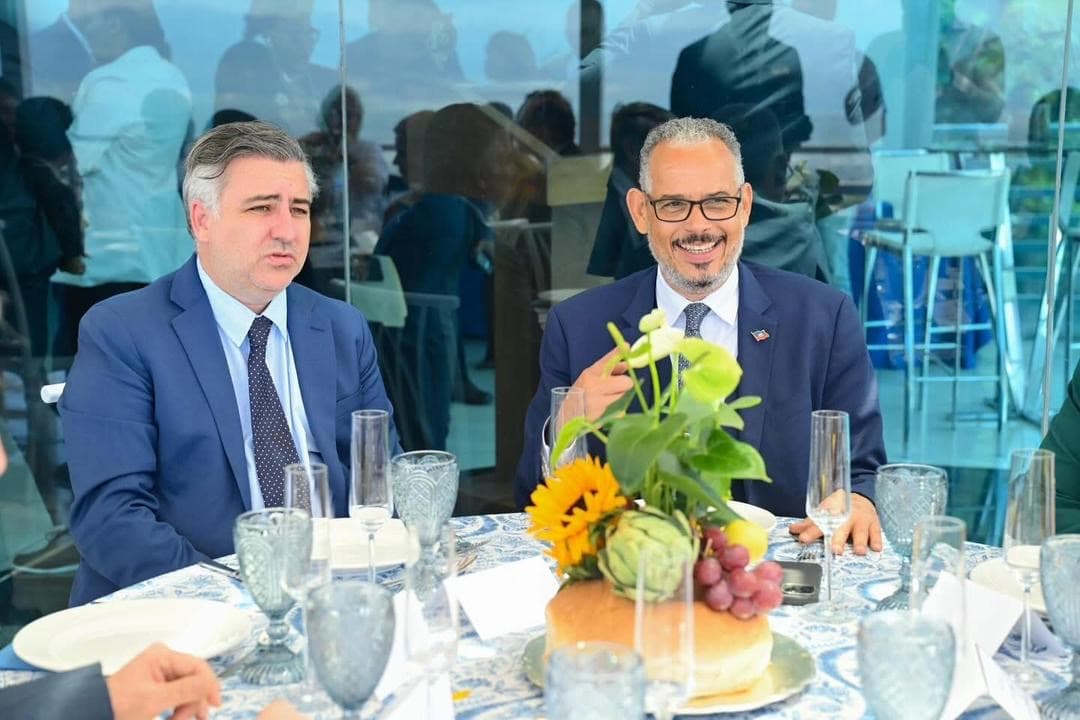
The 26th edition of Mardis de la Nation took place this Tuesday, October 21, 2025, at the Prime Minister's Office, focusing on the Government's social assistance theme. According to information released by the Prime Minister's Office, this initiative is part of the Social Support Program implemented under the direction of Prime Minister Alix Didier Fils-Aimé.
Speaking at this edition, the Director General of the Economic and Social Assistance Fund (FAES), Mr. Serge Gabriel Colin, presented the latest data on the program's implementation, which targets three categories of beneficiaries: parents, vulnerable households, and workers.
According to Mr. Colin, as part of the support for parents, over 50,000 beneficiaries registered in the MENFP's Student Management Information System (SIGE) are currently receiving financial aid for the start of the school year. Transfers are made via MonCash and NatCash.
Also according to FAES, in a note relayed by the Prime Minister's Office, approximately 55,000 vulnerable households, identified through the Ministry of Social Affairs Information System (SIMAS), will each receive an allocation of 15,000 gourdes. Payments are scheduled to begin on Wednesday, October 22, 2025, via the MonCash and NatCash platforms.
Regarding workers, 35,000 laborers will also receive financial support of 15,000 gourdes, directly deposited into their bank accounts starting Monday, October 27, according to officials.
These actions, still according to government authorities, aim to support the most vulnerable groups and assist families with children's schooling for the 2025–2026 academic year.
Furthermore, observers view these as ephemeral support programs, advocating instead for sustainable initiatives to combat precarity while enabling people to be financially independent. For this, they believe that restoring security is key.
The editorial team